Device Integrations
“Integrates with” gets said a lot. Here’s what it means when we say it.
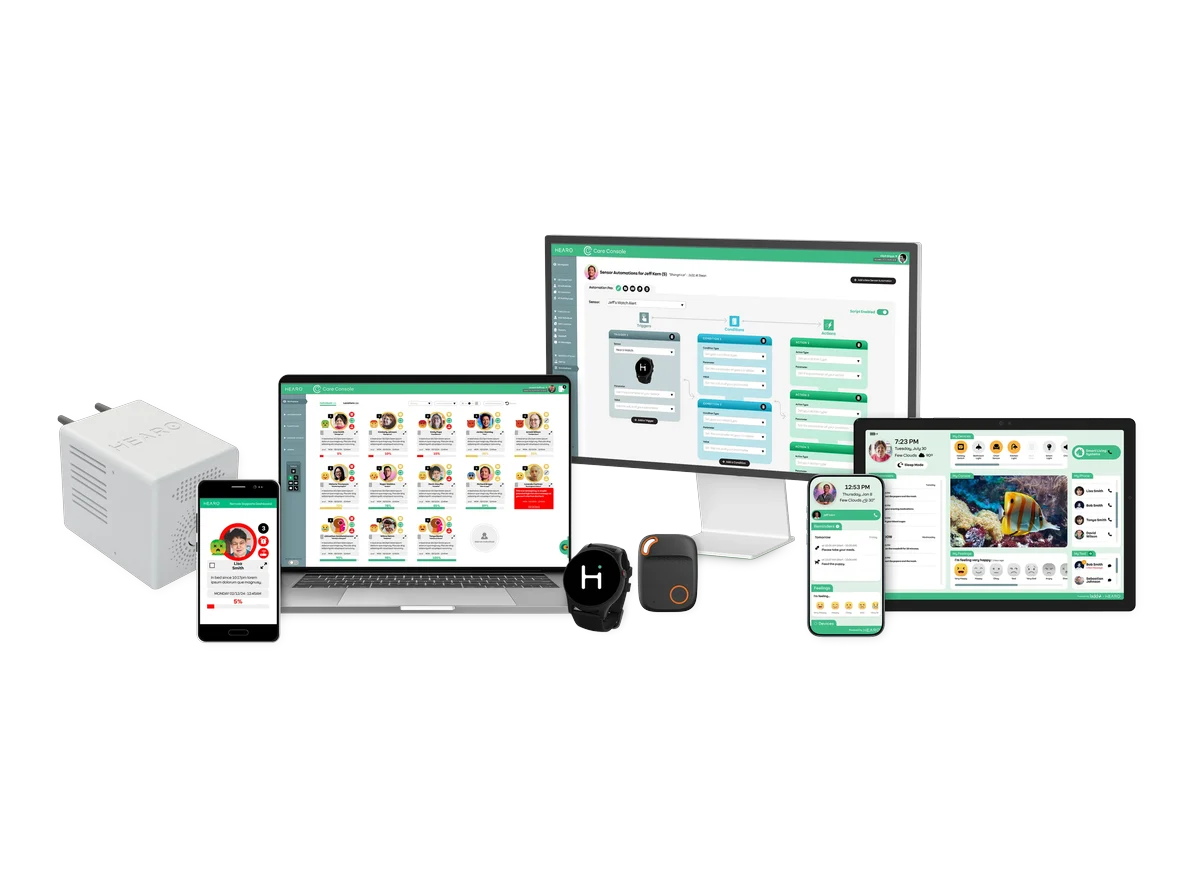
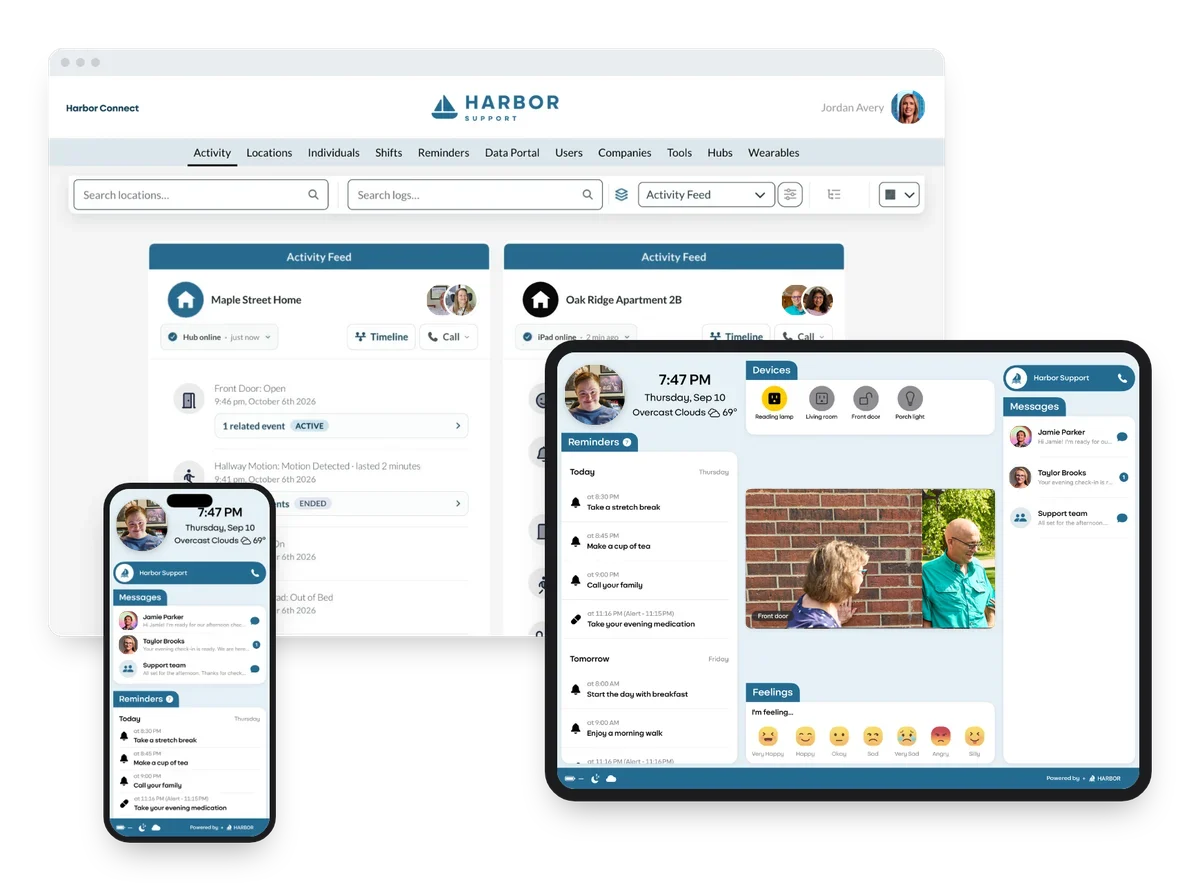
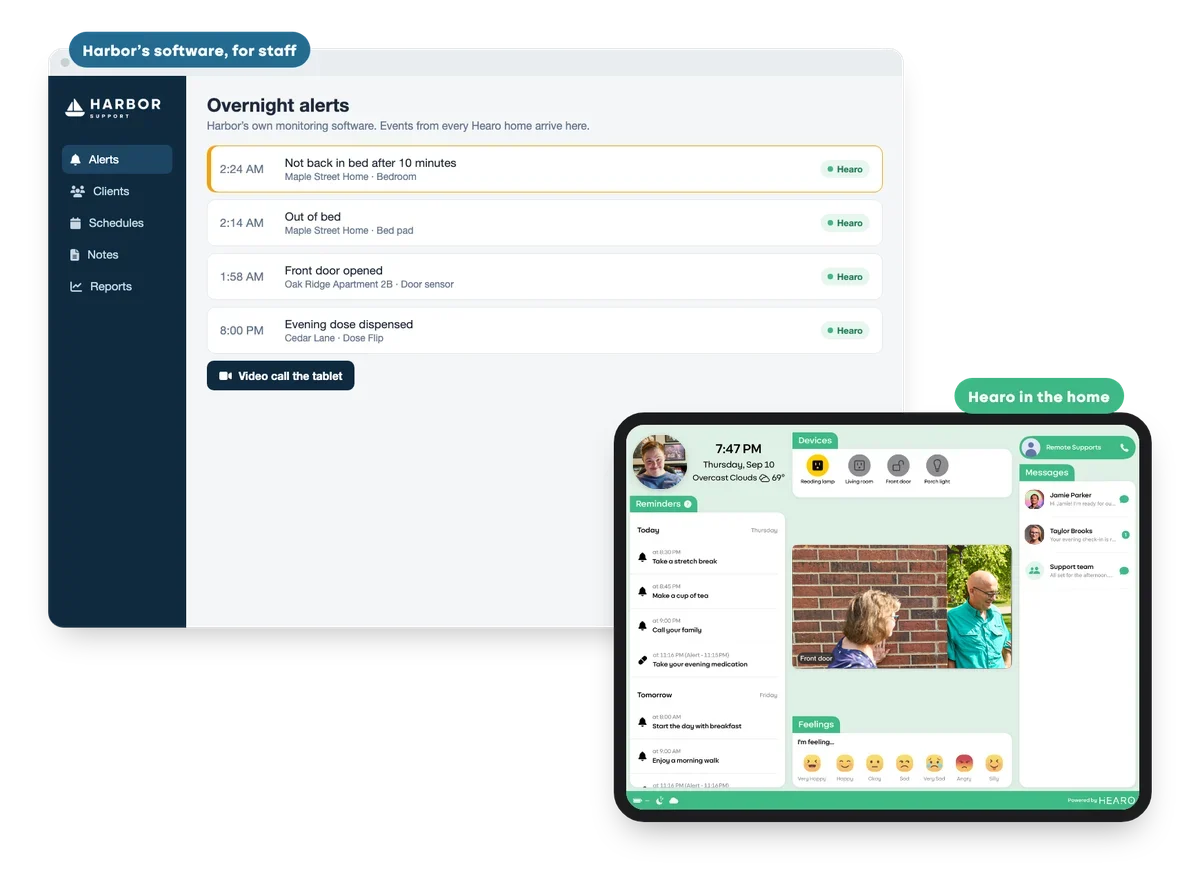
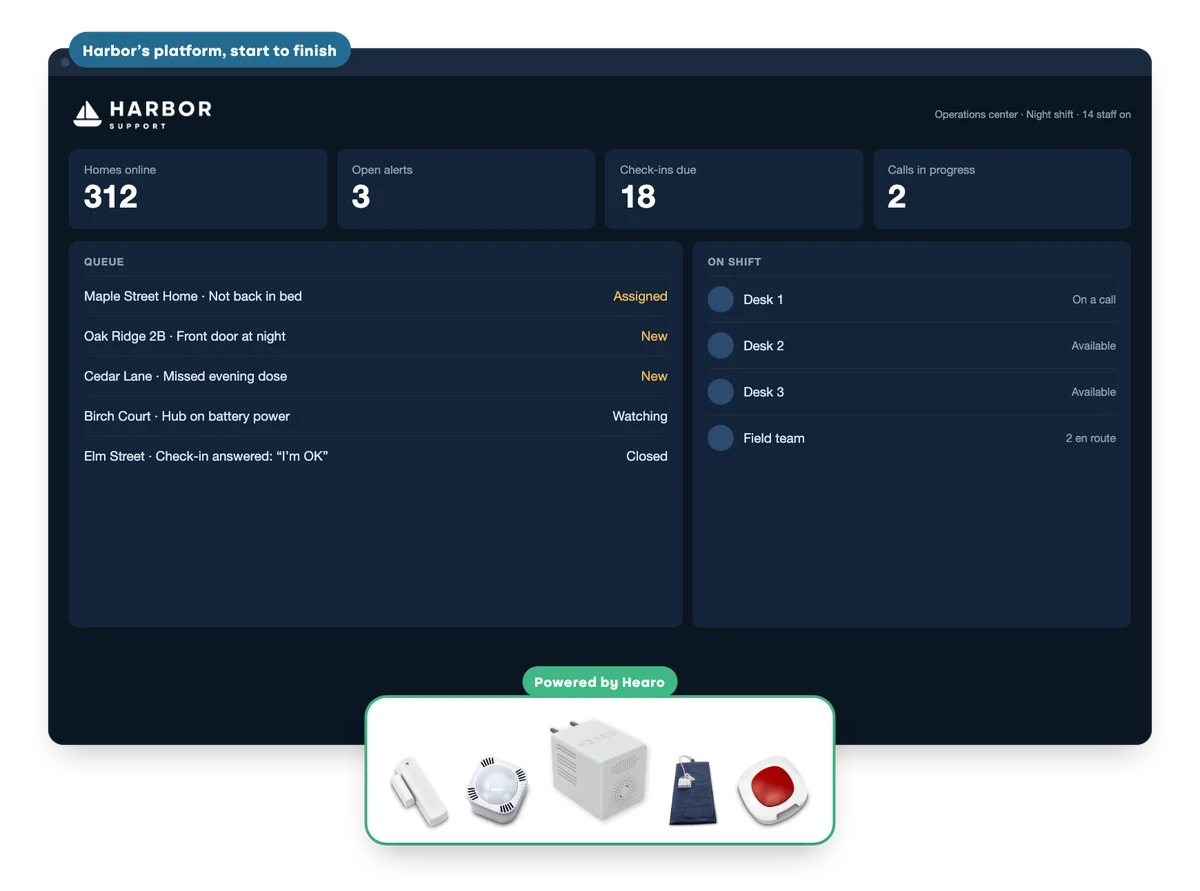
We work hand in hand with the companies behind every device we integrate, so you get the best of both: each one keeps working exactly the way its makers designed it while acting as part of the Hearo ecosystem, with no extra app to install and nothing extra to plug in. The moment it reports something, it lands on the right person’s record next to whatever else is going on in their home, and their care plan decides what happens next: a prompt on the Hearo tablet, a light at home, a text to on-call staff, a call from a Remote Support specialist. Here’s exactly how each one is wired.

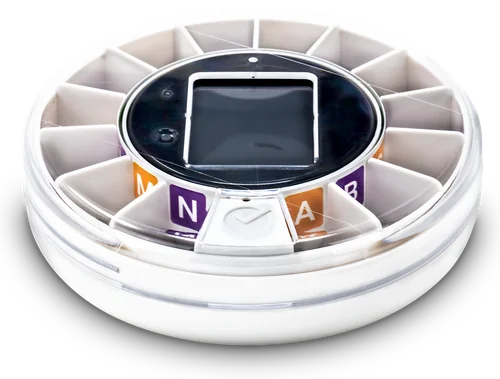
The Dose Flip holds a week or more of medication and releases each dose on schedule. Hearo hears about every dose, every miss and every problem with the dispenser itself, and knows which is which.
How it connects
The Flip reports to Dose Health’s cloud, which forwards every event to Hearo over a secured webhook as it happens. The dispenser is registered to the person in the Care Console by its serial number.
What that looks like
- A dose is dispensed
- It’s logged on the person’s record with the time, next to everything else that happened in the home that morning.
- A dose is missed
- The rule in the care plan sends it to a person: a call to the tablet, a text to on-call staff, or both.
- The tray needs refilling
- A rule can text whoever handles refills before the next dose runs dry, and the refill is logged when it happens.
- It’s unplugged, low on battery or jammed
- It’s flagged as a device problem, not a care problem, so it gets fixed before it costs a dose.

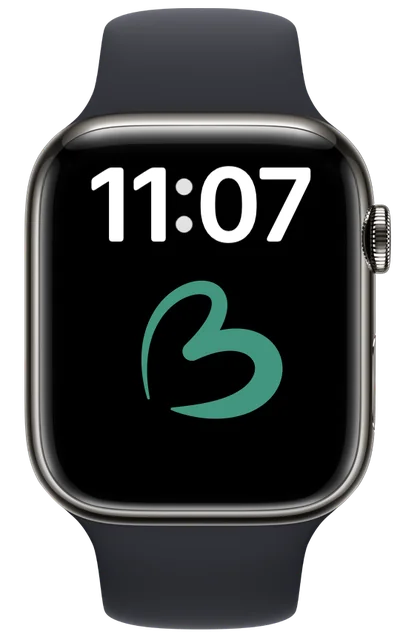
BoundaryCare turns an Apple Watch into a safety device that watches for falls, seizures and calls for help, and keeps track of heart rate and location.
How it connects
BoundaryCare’s alert service sends Hearo every alert and check-in as it happens, linked to the person by their BoundaryCare profile. The readings arrive in the same form as the Hearo Watch’s, so fall, help and location rules work the same on either.
What that looks like
- The watch detects a fall or seizure
- It lands on the person’s record as an emergency, and the rule in their care plan starts the call tree.
- They press for help
- A Remote Support specialist sees the request with heart rate and location already attached.
- Heart rate crosses the line in the care plan
- The rule alerts staff, the same way it would for any other reading.
- The watch is low or off the charger
- Battery and charging status show in the Care Console, so it gets charged before bed.

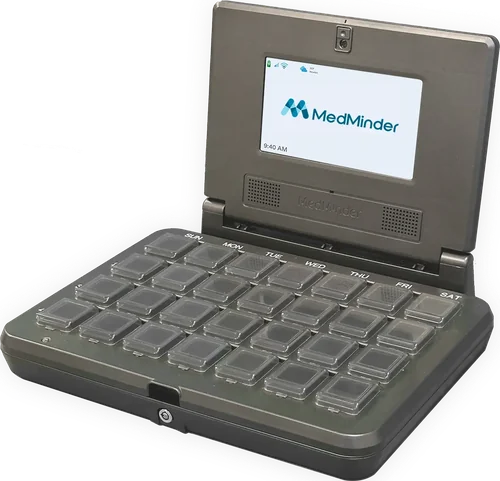
MedMinder’s dispenser lights up, beeps and calls when a dose is due. With Hearo, it stops being a separate gadget with its own alerts and becomes part of the same schedule, the same reminders and the same care team as the rest of the home.
How it connects
MedMinder’s cloud sends Hearo every dose event and every call the moment it happens. Hearo talks back to MedMinder to open video calls. Each person’s MedMinder profile is linked to their Hearo record once, at setup.
What that looks like
- A dose comes due
- The reminder shows on the Hearo tablet too, so the prompt comes from both places at once.
- The dose is taken
- The reminder is checked off on the tablet and in the Care Console, with the time it was taken.
- The dose is missed
- Staff assigned to the home get a push notification with the address, and the miss is logged for the monthly review.
- Someone needs to talk it through
- A Remote Support specialist starts a video call to the dispenser from the Care Console, and calls placed from the MedMinder ring through to Hearo.

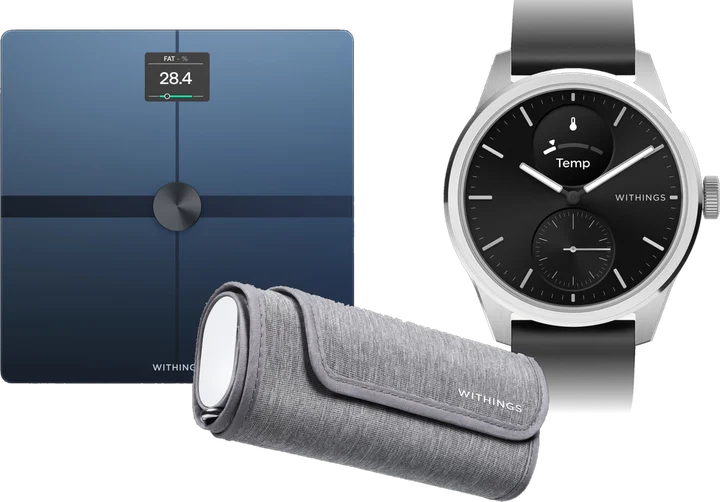
Withings makes the everyday health devices people actually keep using at home: a scale, a blood pressure cuff, a sleep mat that slides under the mattress, a watch, a thermometer. With Hearo, each reading becomes part of the person’s record instead of living in an app on someone’s phone.
How it connects
The person’s Withings account is connected once from the Care Console. From then on Withings tells Hearo the moment a new reading is taken, Hearo fetches it straight away, and the matching device on the person’s record updates. Disconnecting is one click and removes Hearo’s access.
What that looks like
- They step on the scale
- The weight lands on their record, and a rule can flag a change outside the range set in their care plan.
- They take their blood pressure
- Systolic, diastolic and heart rate are logged together, and a reading over the line alerts staff.
- They get into or out of bed
- The Sleep Analyzer reports it like any bed sensor, so the same night-time rules apply.
- They wake up
- Last night’s sleep score, deep, light and REM sleep, and how often they woke are on their record for the morning check-in.

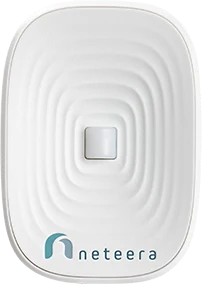
Neteera’s sensor mounts on the bedroom wall and uses radar to tell whether someone is in bed. There’s nothing to wear, nothing to charge and no camera in the room.
How it connects
Neteera’s platform sends Hearo an alert the moment someone gets out of bed, and another when they’re back. The sensor is linked to the person by its device ID and shows up as a bedroom sensor on their record, just like a bed mat would.
What that looks like
- They get up in the night
- A rule can bring up the hallway light before they take a step, and the time is logged.
- They aren’t back after a while
- A Remote Support specialist checks in on the Hearo tablet, and on-call staff are alerted if there’s no answer.
- They’re back in bed
- That’s logged too, so the morning report shows when they got up and how long they were up.

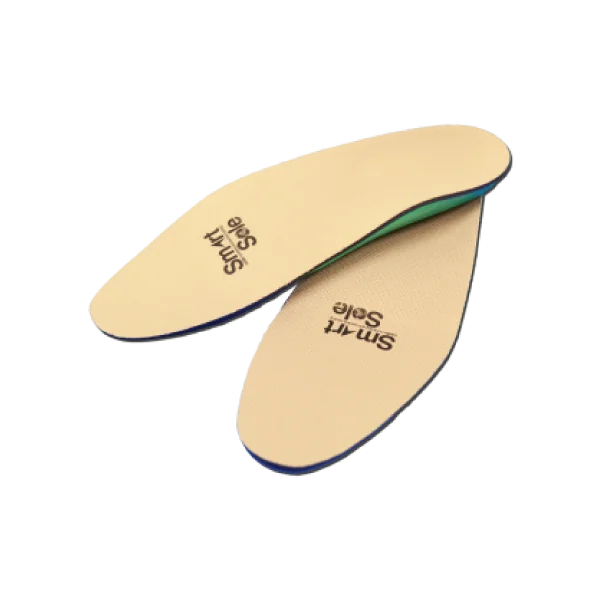
MetAlert’s GPS SmartSole hides a tracker inside a shoe insole, for people who wander but won’t keep a watch or pendant on.
How it connects
The insole reports to MetAlert’s tracking platform. Every five minutes Hearo collects the latest location and battery readings for every SmartSole on the account and files each one against the person wearing it.
What that looks like
- They leave the area around home
- A rule fires, and the specialist sees where they are on the person’s record and calls the tablet, staff or family.
- Someone needs to find them
- The latest position and time are on the person’s record, right beside the door sensor that saw them leave.
- The battery runs low
- Staff get a heads-up to charge it before it goes dark.